Inside the Corrugated Box Manufacturing Process
Corrugated boxes may look simple, but manufacturing them involves several carefully controlled stages. Paper materials are combined into corrugated board, printed or cut to specification, folded into shape, and checked for quality before they are delivered to customers.
BC Box Mfg. Ltd. has manufactured corrugated packaging since 1996. With advanced corrugating and converting equipment, our team produces custom boxes for shipping, retail, agriculture, food products, manufacturing, and distribution.
This guide explains how corrugated boxes are made and how each stage contributes to box strength, protection, appearance, and performance.
What Is Corrugated Cardboard?
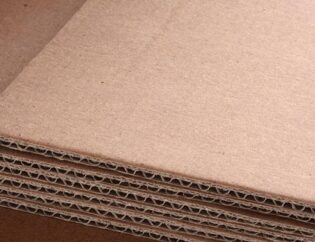
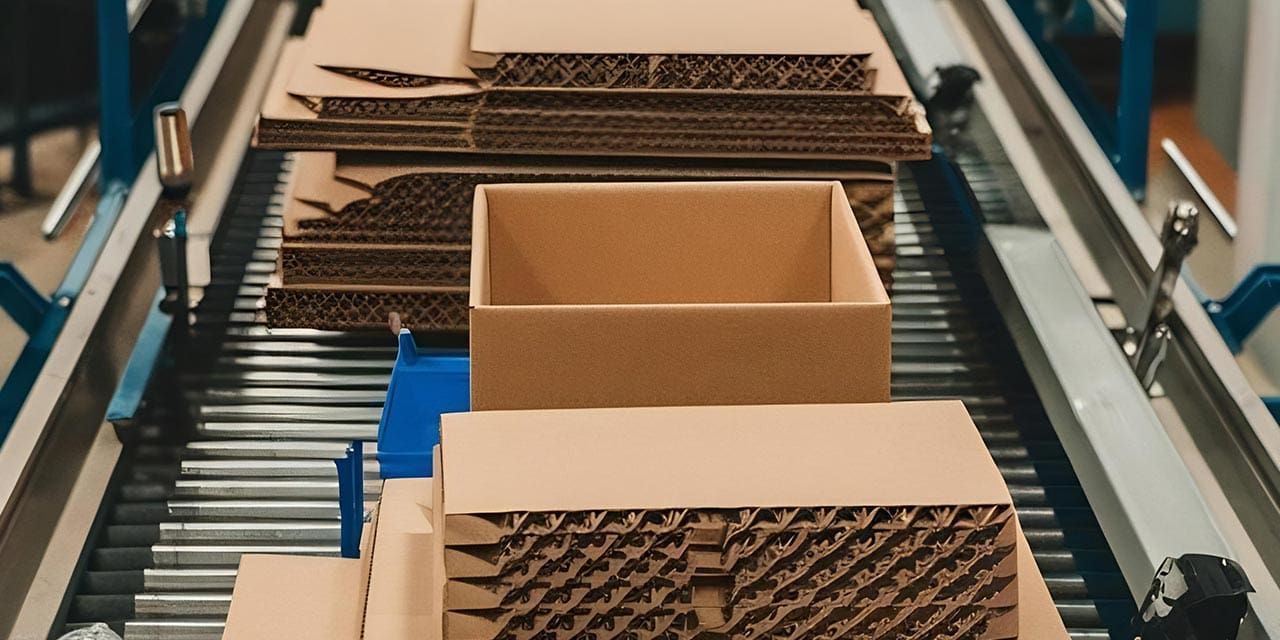
Corrugated cardboard is made from layers of paperboard. The most common construction includes two flat liner sheets with a fluted paper layer between them. The fluted layer creates air columns that add strength, cushioning, and resistance to crushing.
This layered construction is what makes corrugated board different from ordinary paperboard or solid cardboard. It is lightweight, strong, printable, and widely recyclable.
Learn more about the finished material on our corrugated cardboard boxes page.
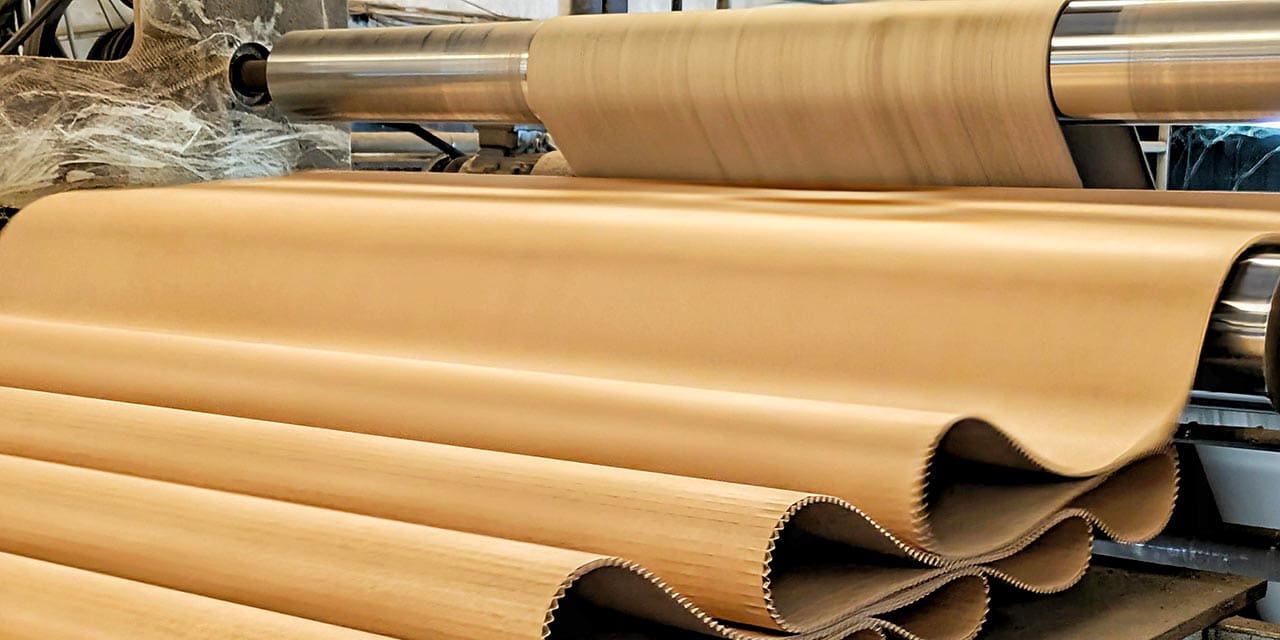
Step 1: Selecting the Paper Materials
The manufacturing process begins with rolls of linerboard and corrugating medium. Linerboard forms the flat outer surfaces of the board, while the corrugating medium becomes the fluted interior layer.
The materials selected depend on the final use of the box. A lightweight retail package may require a different board combination than a heavy industrial shipping carton.
Step 2: Creating the Fluted Layer
The corrugating medium passes through heated corrugating rolls that shape the paper into a repeating wave pattern. This pattern is known as fluting.
Different flute profiles can provide different levels of cushioning, stacking strength, print quality, and board thickness. The appropriate flute depends on the product, shipping conditions, and structural requirements.
Step 3: Bonding the Corrugated Board
After the fluted paper is formed, adhesive is applied to the flute tips. The medium is bonded to one liner sheet and then to another, creating single-wall corrugated board.
Additional layers can be added to create double-wall or heavier-duty board for products that require greater strength and protection.
Step 4: Cutting the Board to Size
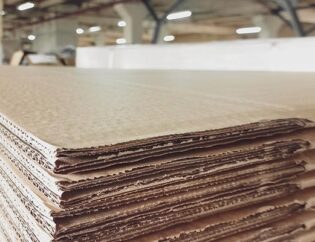
Once the corrugated board is formed, it is cut into sheets based on the dimensions required for the finished box. Accurate sizing helps control material use, product fit, and shipping performance.
Custom dimensions are especially valuable for businesses that want to reduce void space, packing material, and dimensional shipping costs.
Our custom corrugated packaging services are designed around specific product and shipping requirements.
Step 5: Printing the Packaging
Corrugated boxes can be printed with logos, product information, handling instructions, barcodes, and other graphics. Printing may occur before the box is cut and folded, depending on the production method and design.
Printed packaging can improve brand recognition, warehouse identification, retail presentation, and customer experience.
Step 6: Cutting, Slotting, and Die Cutting
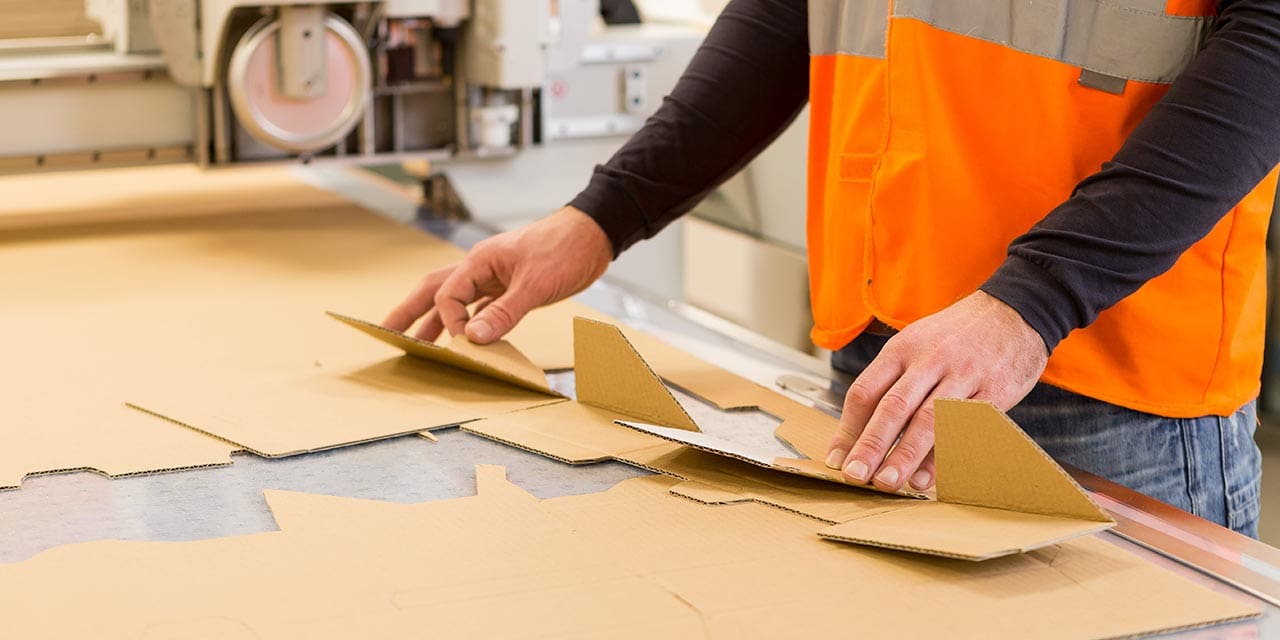
The board is then converted into the required box style. Standard cartons may be cut and slotted to create flaps and folding panels. More specialized designs may use die-cutting equipment to create custom shapes, handles, locking tabs, inserts, windows, or display features.
Learn more about specialized structures on our die-cut boxes page.
Step 7: Folding, Gluing, or Stitching
The converted sheets are folded into their final form. Depending on the box design, panels may be joined with adhesive, staples, or another fastening method.
Many boxes are shipped flat to customers so they take up less space during transportation and storage. They are then assembled when needed.
Step 8: Quality Control
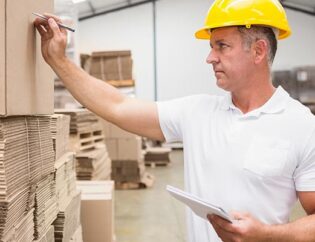
Before boxes are shipped, they are checked for accurate dimensions, clean cuts, secure joints, print quality, and overall construction. The board grade and box style must match the intended product and distribution environment.
Quality control helps ensure that boxes perform properly during packing, stacking, storage, and transportation.
Common Types of Corrugated Boxes
Regular Slotted Cartons
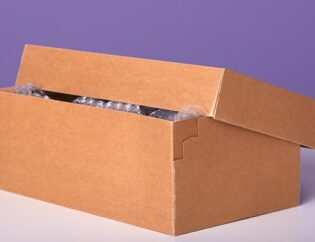
Regular slotted cartons are among the most common shipping box styles. Their flaps meet in the centre when closed, making them practical for shipping, storage, and distribution.
Die-Cut Boxes
Die-cut boxes use custom tooling to create specialized shapes, folds, tabs, and openings. They are often used for retail packaging, mailers, displays, and products requiring a precise fit.
Heavy-Duty Boxes
Heavy-duty boxes may use stronger board grades or double-wall construction to protect industrial parts, dense products, machinery, and other demanding shipments.
Retail and E-Commerce Boxes
Retail and e-commerce boxes often combine shipping performance with branding and presentation. They may include printing, inserts, locking features, or easy-opening designs.
Explore our retail packaging solutions and e-commerce packaging services.
How Custom Corrugated Boxes Are Designed
Custom box manufacturing begins with the product rather than a standard carton size. Packaging designers consider product dimensions, weight, fragility, stacking requirements, shipping method, storage conditions, branding, and assembly needs.
A custom design may help:
- Improve product protection
- Reduce movement inside the box
- Lower material and freight costs
- Improve pallet efficiency
- Reduce packing time
- Strengthen brand presentation
Businesses developing a new box can learn more about our packaging design services.
Are Corrugated Boxes Sustainable?
Corrugated packaging is widely recyclable and commonly manufactured using recovered fibre. Its lightweight structure can also help reduce transportation weight compared with heavier packaging alternatives.
Right-sized box design can further reduce waste by limiting excess board, void fill, and unused shipping space.
Visit our sustainable corrugated packaging BC page for more information.
Why Choose BC Box Mfg. Ltd.
BC Box Mfg. Ltd. began corrugated box manufacturing operations in 1996 after originally operating as Alfa Packaging (1987) Ltd. Our family-owned business has grown by providing dependable, cost-effective packaging solutions to customers throughout Western Canada.
Our investment in a high-speed corrugator and modern converting equipment allows us to manufacture standard, custom, printed, die-cut, retail, agricultural, and shipping boxes in BC.
From packaging design to manufacturing, our team helps businesses develop corrugated solutions that support product protection, shipping efficiency, branding, and sustainability.
Frequently Asked Questions
What materials are used to make corrugated boxes?
Corrugated boxes are made from linerboard and corrugating medium. The medium is formed into flutes and bonded between flat liner sheets.
What makes corrugated boxes strong?
The fluted layer creates air columns between the liners, providing cushioning, stacking strength, and resistance to crushing.
Can corrugated boxes be custom made?
Yes. Corrugated boxes can be customized by size, board grade, flute type, printing, box style, inserts, and structural features.
Can corrugated boxes be printed?
Yes. Corrugated packaging can be printed with logos, product information, barcodes, handling instructions, and brand graphics.
Are corrugated boxes recyclable?
Yes. Corrugated cardboard is widely recyclable and is commonly accepted through commercial and residential recycling programs.
Request Custom Corrugated Packaging
BC Box Mfg. Ltd. manufactures custom corrugated packaging for shipping, retail, agriculture, food products, industrial goods, and e-commerce applications.
Contact our team to discuss your product, packaging requirements, and production needs.
Phone: (604) 507-9988
Address: 13025 76 Ave #106, Surrey, BC V3W 2V7
Website: https://bcbox.ca/